Before we begin posting new developments on automation and engineering technologies, I thought we could begin by explaining what exactly is automation.
Automation (ancient Greek: = self dictated), roboticization[1] or industrial automation or numerical control is the use of control systems such as computers to control industrial machinery and processes, replacing human operators. In the scope of industrialization, it is a step beyond mechanization. Whereas mechanization provided human operators with machinery to assist them with the physical requirements of work, automation greatly reduces the need for human sensory and mental requirements as well.
The most visible part of modern automation can be said to be industrial robotics. Some advantages are repeatability, tighter quality control, higher efficiency, integration with business systems, increased [[Productivity (economics)|productivity and reduction of labor.
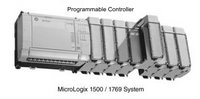
Specialised hardened computers, referred to as programmable logic controllers (PLCs), are frequently used to synchronize the flow of inputs from (physical) sensors and events with the flow of outputs to actuators and events. This leads to precisely controlled actions that permit a tight control of almost any industrial process. (It was these devices that were feared to be vulnerable to the "Y2K bug", with such potentially dire consequences, since they are now so ubiquitous throughout the industrial world.)
Human-machine interfaces (HMI) or computer human interfaces (CHI), formerly known as man-machine interfaces, are usually employed to communicate with PLCs and other computers, such as entering and monitoring temperatures or pressures for further automated control or emergency response. Service personnel who monitor and control these interfaces are often referred to as stationary engineers.
Another form of automation involving computers is test automation, where computer-controlled automated test equipment is programmed to simulate human testers in manually testing an application. This is often accomplished by using test automation tools to generate special scripts (written as computer programs) that direct the automated test equipment in exactly what to do in order to accomplish the tests.
Different types of automation tools exists:
* Simulation
* DCS - Distributed Control System
* PLC - Programmable Logic Controller
* PAC - Programmable automation controller
* ANN - Artificial neural network
* HMI - Human Machine Interface
* SCADA - Supervisory Control and Data Acquisition
* BMS - Batch Management System
* MES - Manufacturing Execution System
* LIMS - Laboratory Information Management Systems
A list of automation tools used in the IT field (past and present):
* AutoTester
* WinRunner
* QA Load
* QA Run by Compuware
* TestPartner by Compuware
* SilkTest
* TestPro
* Rational Robot
* Rational Functional Tester by IBM
* Rational Performance Tester by IBM
* Macro Scheduler by MJTNet
* AutoIntern by Graphical Dynamics
* Opalis Integration Server Opalis
That't it for the quick overview on automation. Keep checking our blog for our daily updates.


